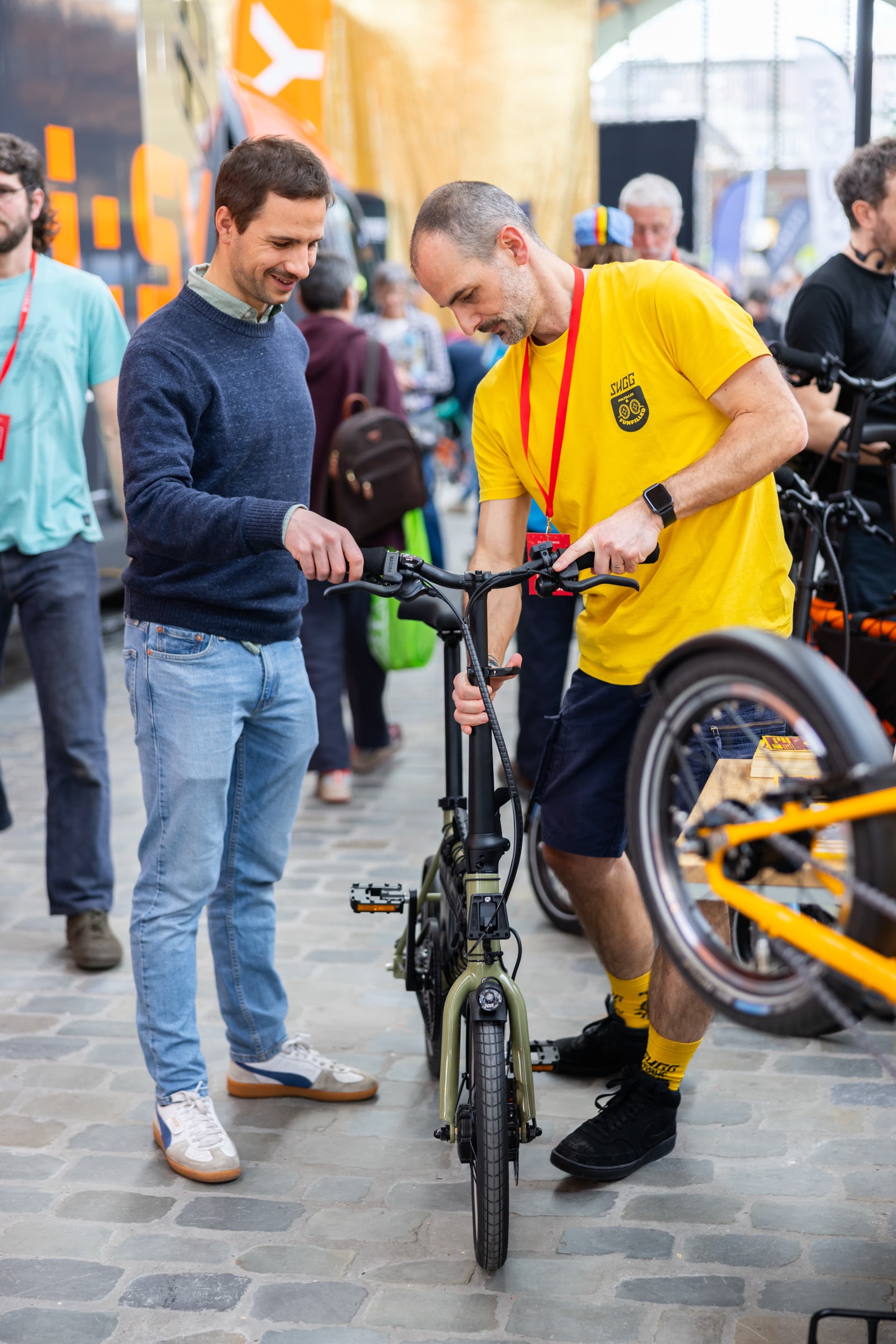
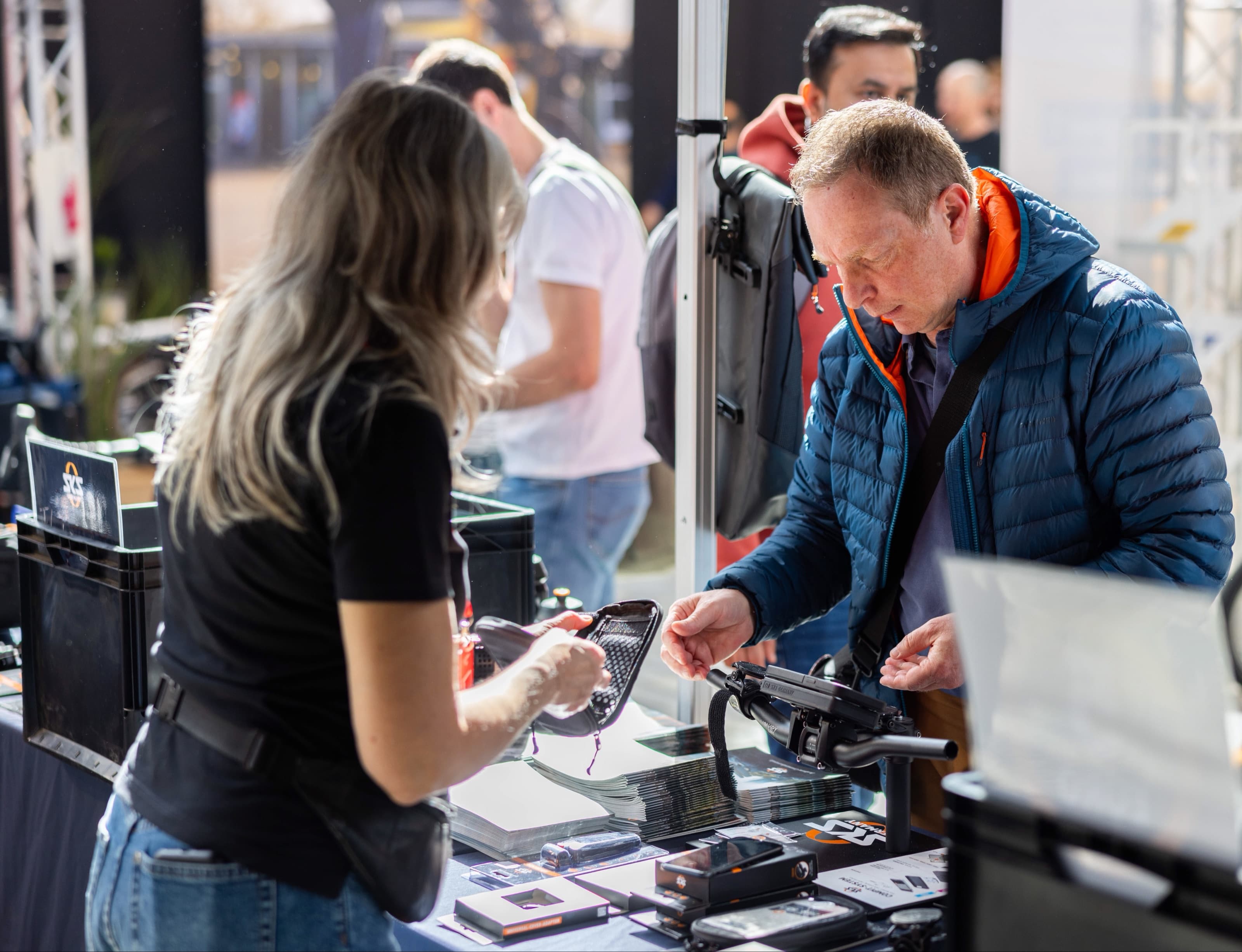
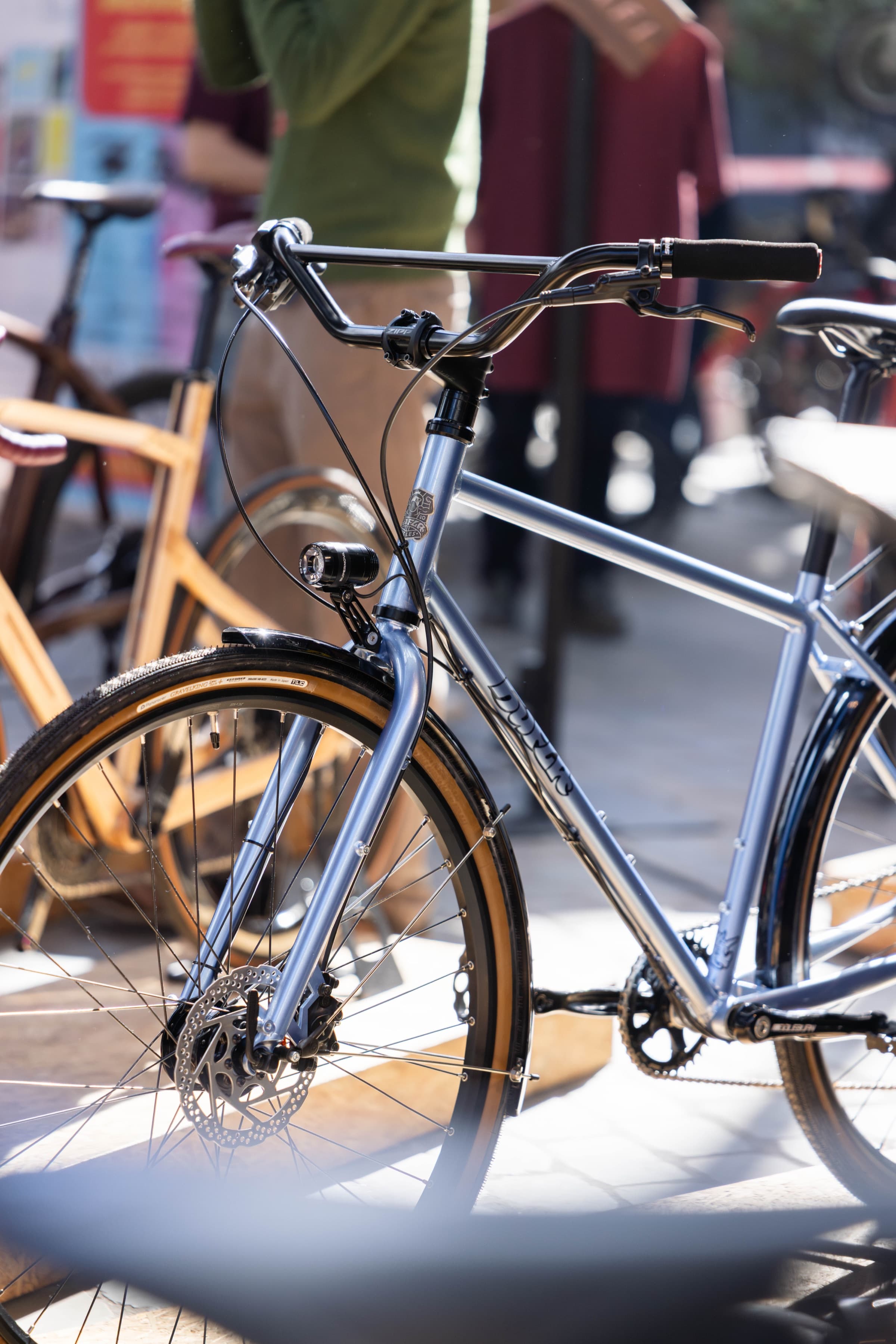
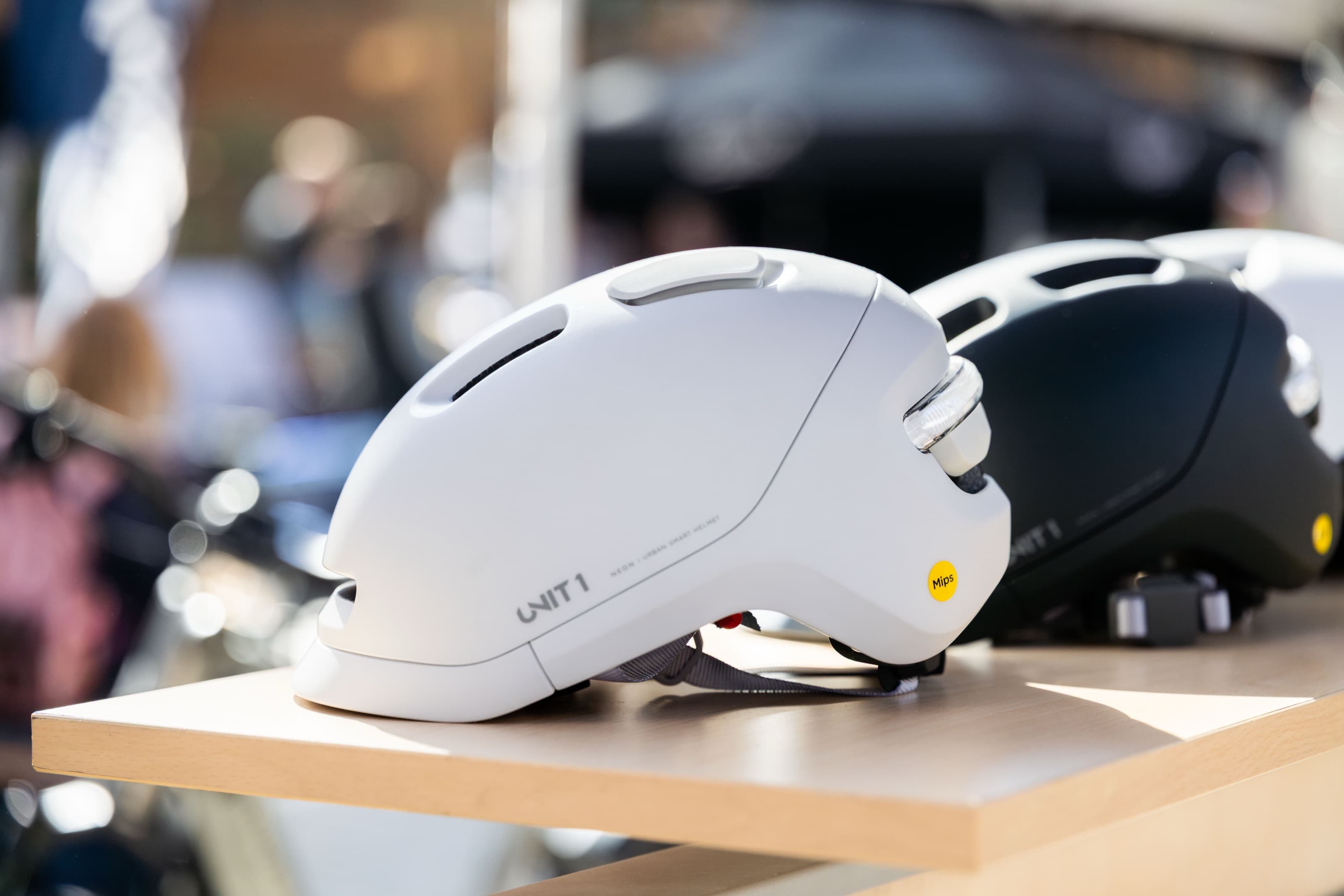
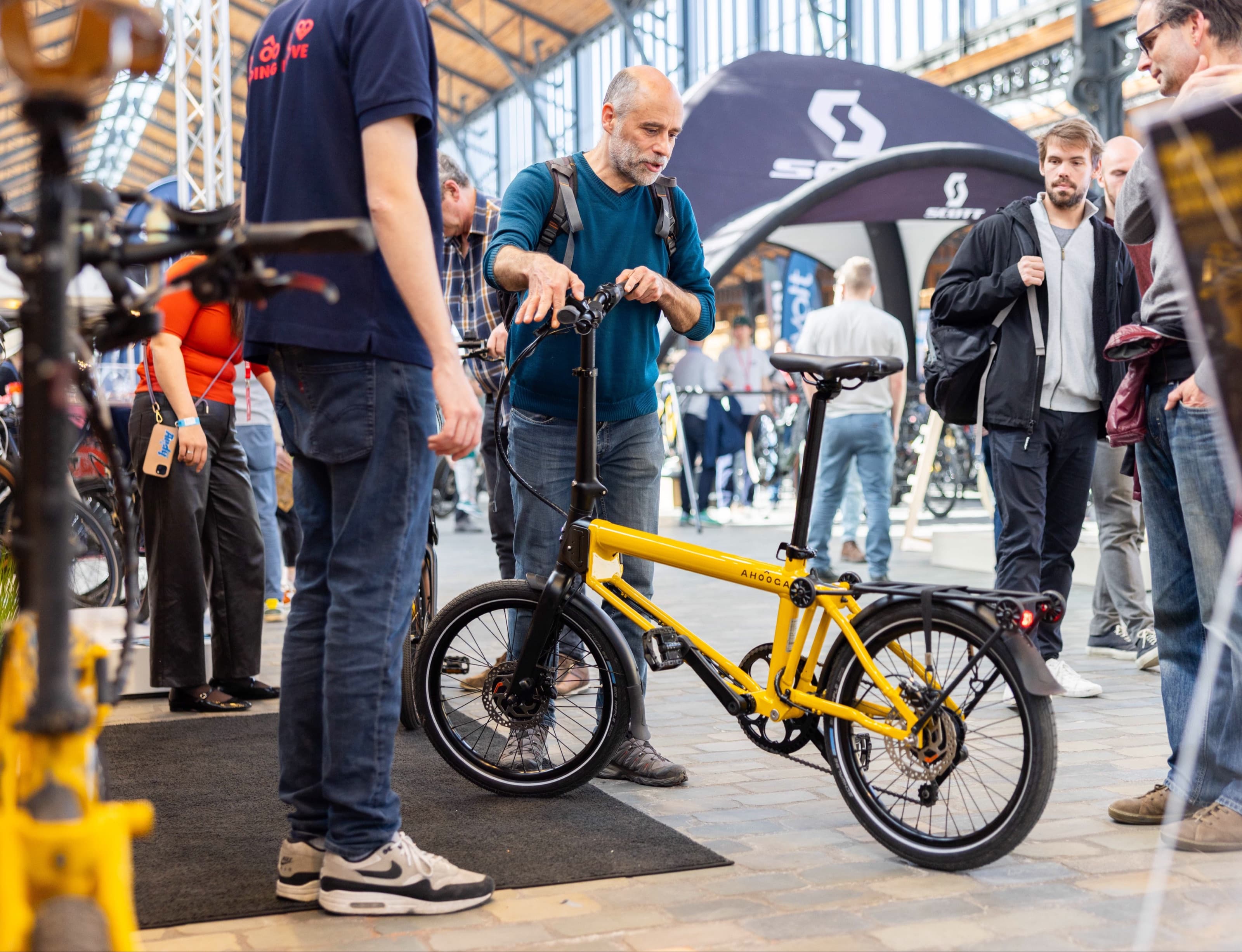
For several years, Brussels has shown a particularly strong political will to develop cycling. COVID-19 accelerated that trend further: since the start of the pandemic the region has expanded its cycling infrastructure impressively, with more than 40 km of cycle paths built in a matter of months to absorb the rising number of cyclists.
Brussels is firmly committed to an active policy: a Low Emission Zone, a generalised Zone 30 and the development of pedestrian areas that free up space for soft mobility. A new model of urban mobility is taking shape, giving priority to bicycles and micro-mobility in and around the city.
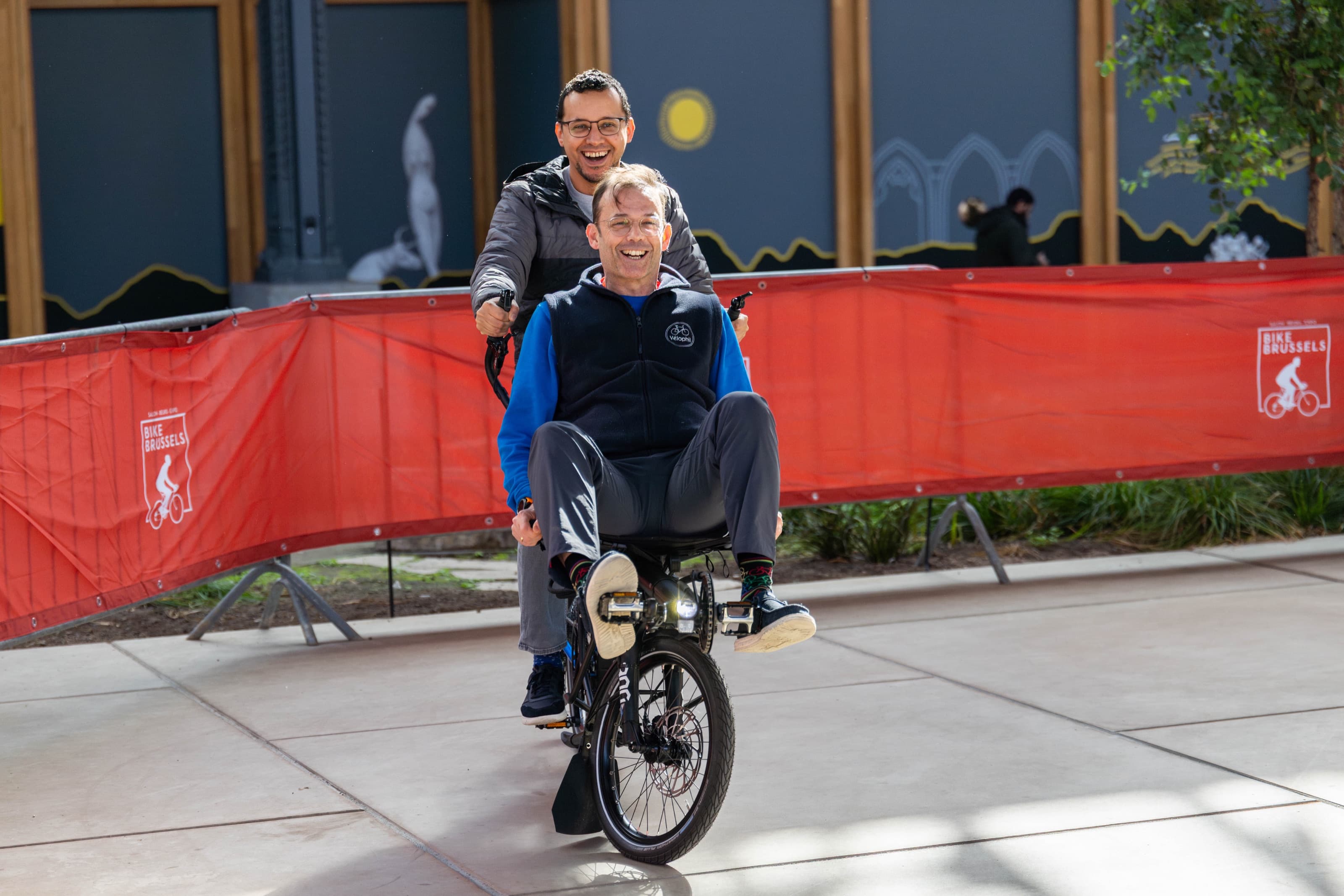
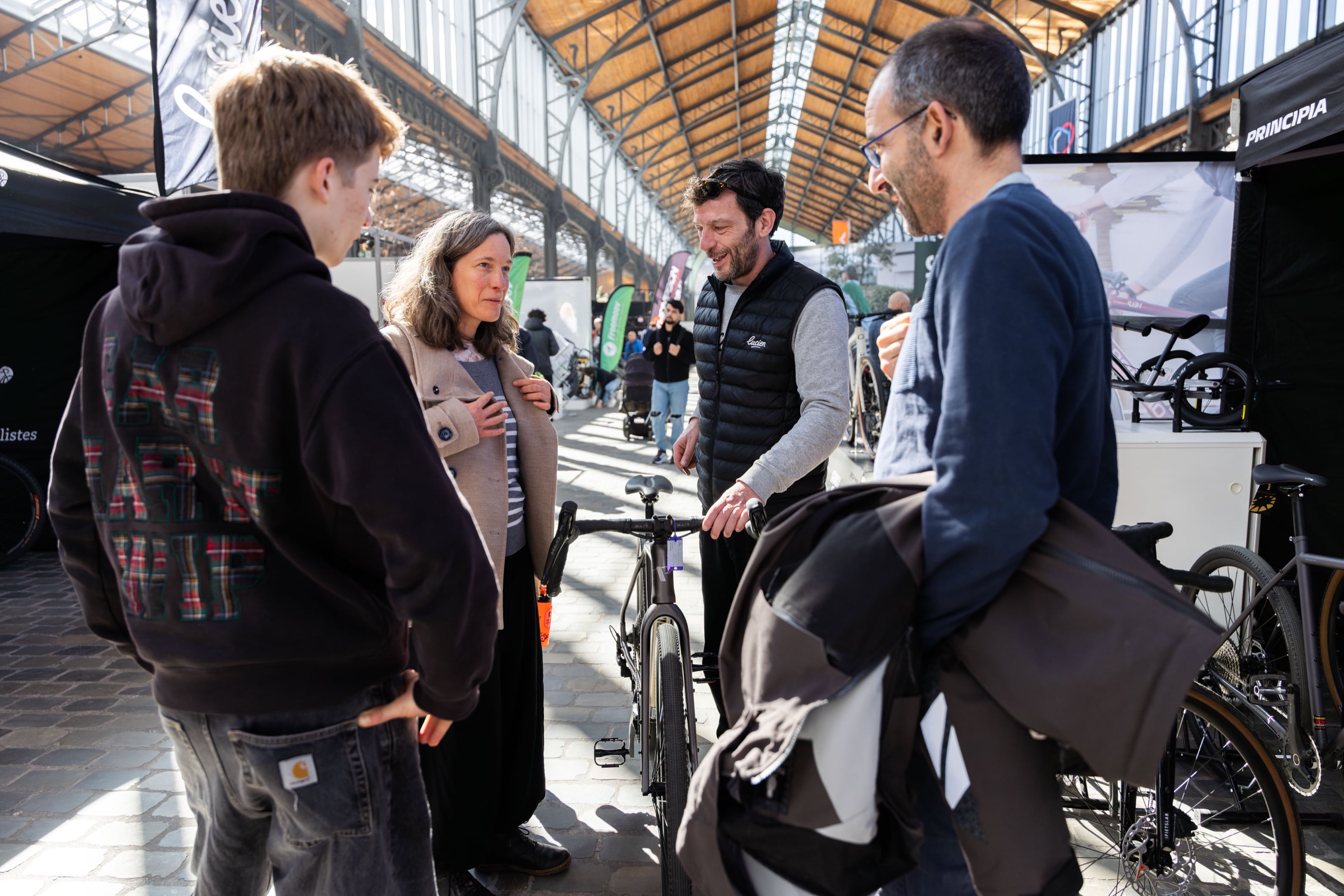
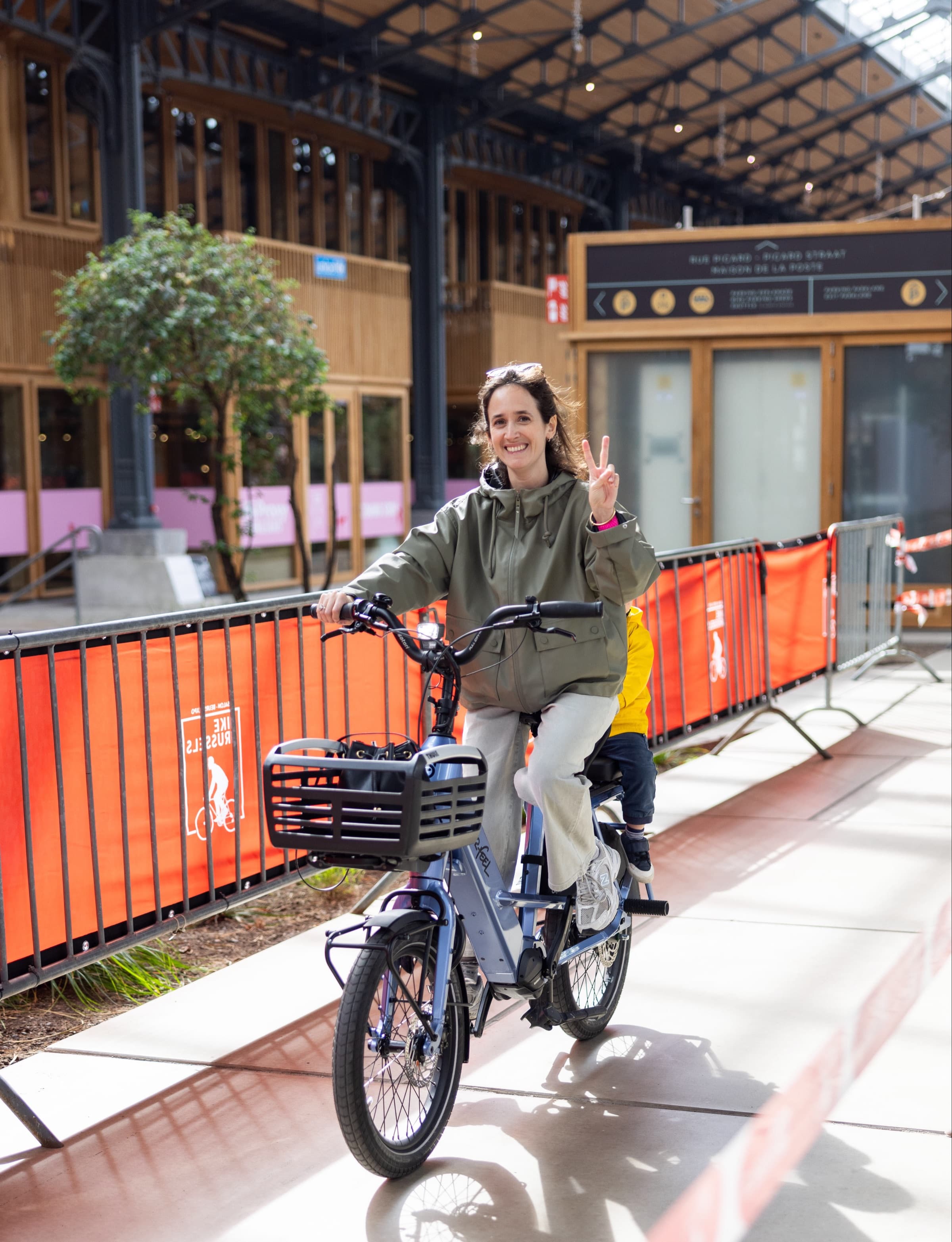
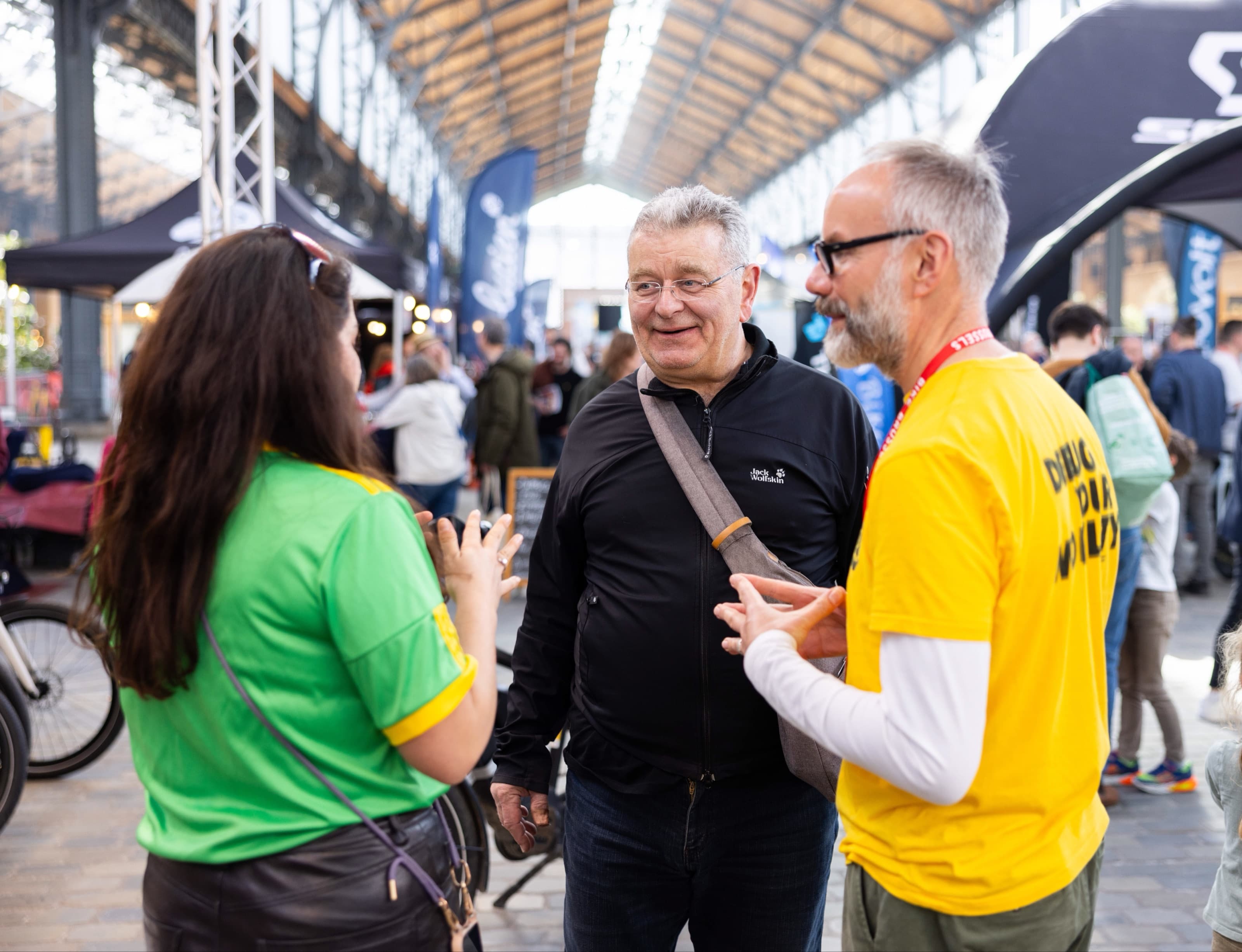
It is no surprise, then, that cycling and micro-mobility have developed so remarkably: +78% and more than 9,804,179 bicycle trips according to a count carried out in 2022 by Brussels Mobility. This explains the success Bike Brussels has enjoyed since its very first edition.
Brussels is the capital of Belgium and also the capital of Europe. A hub at the crossroads of the continent, it is home to all the European and international administrations and enjoys a wide national and international profile.